Entry · Ref KUIKBDZV
Why Families Prefer Small Senior Care Residences for Dementia and Daily Care
- Posted
- 2026-11-25
- Last amended
- 2026-11-25
- Account
- @franciscovrdy600
Business Name: BeeHive Homes of Bernalillo
Address: 200 Sheriff's Posse Rd, Bernalillo, NM 87004
Phone: (505) 221-6400
BeeHive Homes of Bernalillo
Beehive Homes assisted living care is ideal for those who value their independence but require help with some of the activities of daily living. Residents enjoy 24-hour support, private bedrooms with baths, medication monitoring, home-cooked meals, housekeeping and laundry services, social activities and outings, and daily physical and mental exercise opportunities. Beehive Homes memory care services accommodates the growing number of seniors affected by memory loss and dementia. Beehive Homes offers respite (short-term) care for your loved one should the need arise. Whether help is needed after a surgery or illness, for vacation coverage, or just a break from the routine, respite care provides you peace of mind for any length of stay.
200 Sheriff's Posse Rd, Bernalillo, NM 87004
Business Hours
Choosing take care of an aging parent is seldom a tidy, reasonable decision. It is psychological, time‑sensitive, and loaded with trade‑offs that do not fit neatly into brochures. Over the last years, I have satisfied numerous families who began by visiting big assisted living communities, only to silently pivot towards small senior care homes tucked into ordinary residential neighborhoods. The factors for that shift are hardly ever about shiny features. They are usually about the realities of dementia, frailty, and day-to-day life.
This short article looks carefully at why small senior care homes have actually ended up being a preferred option for many individuals who need dementia support and hands‑on everyday care. The focus is useful: what in fact operates at 2 a.m., what households observe after the first few months, and what in some cases fails if the match is not right.
What small senior care homes actually are
Terminology is confusing, partially since guidelines differ from one state to another and nation to nation. In many locations, small homes are certified under the exact same statutes as assisted living, residential care, or board‑and‑care. The typical thread is scale and setting.
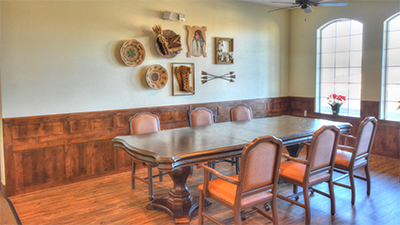
Instead of a large campus with lots or hundreds of locals, a small senior care home generally serves in between 4 and 12 individuals. The building is typically a transformed single‑family house in a regular area. Bed rooms might be personal or semi‑private. Shared spaces look more like a family living-room and dining area than a hotel lobby.
Staffing patterns are different from big centers. Caregivers in small homes are typically universal employees. The same individual might assist with bathing, prepare a simple meal, and sit at the table helping with lunch. There is less division between "care," "activities," and "hospitality," which can be a benefit for someone living with dementia.
Many of these homes can provide a full variety of elderly care except on‑site nursing: assistance with dressing, continence care, medication management, supervision for wandering danger, and support with mobility. Some also offer short‑term respite take care of households who need a safe place during a medical facility healing or caregiver break.
Not all small homes are alike, nevertheless. Some concentrate on advanced dementia. Others lean towards reasonably independent homeowners who require help mainly with meals and medications. Part of the work for households is understanding how the home specifies its own niche.
Why scale matters so much for dementia
Dementia modifications how a person processes sound, movement, and social info. An area that feels "dynamic" to a healthy adult can feel chaotic to someone with amnesia or impaired spatial awareness. This is where small senior care homes typically shine.
In a house with 6 or 8 homeowners, patterns are much easier to preserve. Breakfast typically looks the exact same every day. The table is in the exact same area, the very same caretaker puts the coffee, the exact same cupboard holds the cups. For a person with dementia, that predictability reduces stress and anxiety and reduces the requirement for constant cueing.
There is also less "visual sound." Corridors are short. Individuals recognize. You can see the cooking area from the living room. There are fewer strangers strolling through for trips, deliveries, or activity programs. For locals who become distressed in crowds or open spaces, the smaller scale can be a relief.
Families frequently tell me that their relative, who appeared withdrawn in a big assisted living community, becomes more engaged after moving into a smaller setting. They may start helping fold towels or set the table since it appears like a real home job, not a staged activity. The intimacy of the environment welcomes participation instead of passive observation.
Of course, small environments are not instantly calm. An over‑stimulating tv, a loud roomie, or a constant stream of visitors can still overwhelm. The difference is that in a small home, it is easier for personnel to see and change quickly, due to the fact that whatever happens within sight and earshot.
The human side of daily care
The most engaging advantage of small senior care homes, in my experience, is continuity of relationships. In a big structure, staffing schedules turn across units and shifts. A resident with dementia may interact with a lots or more caretakers in a single week. Even the most devoted team member has a hard time to understand personal preferences deeply when spread across 30 or 40 residents.
In a small home, the caregiving group is smaller and more steady. A resident might regularly see the same 3 or 4 caregivers. That stability matters when you require intimate help with bathing, toileting, or eating. It minimizes the fear and resistance that can accompany individual take care of someone who can not completely understand why a complete stranger is undressing them.
I remember a female in her late seventies, let us call her Maria, who had moderate Alzheimer's disease. She ended up being agitated whenever staff tried to assist her shower in a large assisted living memory system. With dozens of locals on the schedule, personnel had limited time to gradually construct trust and adapt. After she relocated to a small home, one caregiver took the lead and was constantly the "bath helper." Over a few weeks, that caregiver learned Maria's preferred water temperature, the series that made her feel safe, and even a preferred tune from her childhood. Showers became uneventful. The task was the same. The distinction was the relationship and the capability to personalize.
Daily care in a small home likewise tends to mix more naturally with regular life. Rather than a structured "activity calendar," engagement might look like slicing veggies at the cooking area counter, watering plants, folding laundry, or resting on the front patio viewing neighborhood kids ride their bikes. These small minutes, duplicated daily, can do more for quality of life than occasional large events.
That said, families ought to focus on how well a particular home manages boredom and under‑stimulation. A small setting without sufficient structure can slide into a pattern where residents spend hours in front of the tv. The best homes stabilize the coziness of home life with intentional, significant engagement.
Assisted living vs small homes: what families really notice
On paper, a licensed small home and a conventional assisted living community might list really comparable services. Both may promise help with activities of daily living, medication administration, house cleaning, meals, and some level of dementia assistance. Families often ask, "If the services are the same, why do people say small homes feel so different?"
Key differences that families frequently report consist of:
- Atmosphere: Small homes typically seem like checking out a relative, while bigger assisted living structures can feel more like hotels or clinics.
- Staff interaction: Caretakers in small homes normally have more time per resident and can linger in discussion without feeling they are "behind on a corridor."
- Flexibility: Homes with a handful of residents can more easily adjust mealtimes, regimens, and even menu items to private preferences.
- Visibility: In a small home, nearly whatever is within a brief walk. Households can see how staff engage with everybody, not just their own relative.
- Transitions: Moves within the structure (for instance, from assisted living to a different memory care wing) are less common in small homes, due to the fact that the entire house currently operates at a higher support level.
The contrast is not constantly in favor of the smaller alternative. Big assisted living communities might be much better equipped for robust on‑site physical therapy, arranged outings, beauty parlor, and a larger range of structured programs. For seniors who are still rather social and mobile, that can be a major plus.
The question is not which design is "much better" but which environment fits the individual's existing and most likely future needs.
Why small homes fit advanced dementia especially well
As dementia progresses, the priority typically shifts from broad social engagement to comfort, safety, and emotional security. At that stage, families tend to appreciate the following elements of small senior care homes.
Consistency of faces. An individual with sophisticated dementia may not remember names, however they recognize tone of voice, touch, and basic presence. Seeing the exact same caretakers every day reduces fear. It also helps staff spot subtle modifications in health, due to the fact that they know what is normal for that individual.
Simplified navigation. Large structures can be confusing even with color‑coded halls and memory hints. In a small home, walking from the bed room to the cooking area includes fewer choice points, which lowers fall risk and wandering prospective. Outside areas, such as a fenced backyard or patio area, are easier to supervise.
Easier adjustment to habits. Responsive habits like assisted living bernalillo nm pacing, searching, or calling out are common in advanced dementia. Personnel in a small home can customize the environment on the fly: turning on soft music, rerouting somebody into a peaceful corner, involving them in a basic task. They are less constrained by institutional routines or fixed staffing assignments.
End of‑life familiarity. Numerous households find it soothing that their loved one can stay in the very same bed, surrounded by the same caretakers, through the last stage of life, frequently with hospice services layered in. Moving someone in late‑stage dementia to a new and unknown facility can be deeply destabilizing.
There are limitations, of course. If somebody's medical intricacy surpasses what unlicensed or minimally licensed caretakers can manage, a proficient nursing center might be safer. Some small homes partner closely with checking out nurses and hospice teams to bridge that space, while others can not. Families need to ask particular concerns about what occurs when medical needs increase.
How small homes support families, not simply residents
An excellent small senior care home does not simply care for the resident; it takes in the family into its orbit. That often feels various from the experience in a bigger center, where managers may alter frequently and communication paths are formal.
In smaller settings, member of the family generally know every personnel individual by given name, including the over night shift. They see supervisors in the house, not just in an office. When something modifications with Mom's hunger or Dad's sleep, the update tends to come rapidly and personally. That constructs trust, which is invaluable for households handling guilt, grief, and useful logistics.
Respite care is one area where small homes are especially valuable. Some accept short stays of a week or a month, permitting exhausted household caregivers to charge or take a trip. Due to the fact that the environment is home‑like and not frustrating, people with dementia are more likely to endure the short-lived change without serious distress. And if the respite stay goes particularly well, it often ends up being a trial run for longer‑term placement.
Financial transparency can also be clearer in smaller homes. Rather of layered cost structures with add‑on charges for every single new service, numerous small homes use an all‑inclusive daily or monthly rate that covers typical elderly care needs. Households still require to ask about additionals, such as incontinence materials, transport, and hairstyles, however the baseline is often more straightforward.
Trade offs and limitations to keep in mind
If small senior care homes were best, every household would flock to them. They are not. Comprehending the disadvantages in advance helps you make a realistic, resilient choice.
Amenities and stimulation. People who thrive on variety may discover a small home confining. There is no on‑site theater, art studio, or dining establishment. Getaways depend upon personnel accessibility and transport logistics. A resident utilized to an active assisted living way of life might feel their world has actually shrunk unless the home is intentional about neighborhood involvement.
Medical assistance. Even when accredited for assisted living level care, the majority of small homes do not have full‑time nurses on site. They rely on on‑call nurses, going to specialists, and local centers. For somebody with unstable heart, respiratory, or wound concerns, that arrangement might be insufficient. You need clarity on how the home deals with immediate medical changes, hospital transfers, and return‑from‑hospital care.
Regulatory irregularity. In some jurisdictions, oversight of small residential care homes is less robust than for large centers. That does not automatically suggest lower quality, but it increases the importance of your own due diligence. Ask about inspection history, personnel training, and how the home deals with grievances or incidents.
Staffing threats. While connection is a strength, a very small team is vulnerable to disturbance. If two crucial caregivers leave, the whole environment can move. Ask how the service provider recruits, trains, and supports personnel, and what their backup plan is during health problem or turnover.
Family characteristics. The intimacy that lots of families love can also feel exposing. There is less privacy than in a huge structure. Tensions between resident households, or differences in expectations, may feel more individual in a six‑bed home than in a 120‑apartment community.
How to examine a small senior care home
Tours and pamphlets have limitations. The strongest predictors of a great fit are frequently found in the information you see when staff are not trying to impress you. When going to, focus more on the everyday rhythm and interactions than on décor.
Here is a brief, practical set of questions to assist your assessment:
- How lots of caretakers are on responsibility during the day, evening, and overnight, and the number of homeowners do they support?
- What specific training and experience do staff have with dementia, movement concerns, and tough behaviors?
- How are medical needs managed, including medication management, urgent situations, and coordination with doctors or hospice?
- What does a normal day look like for somebody with your loved one's capabilities, consisting of meals, rest, and engagement?
- Under what scenarios would the home ask a resident to move out, and how much notice would they give?
Ask to visit more than once, at various times of day. Late afternoon and early night, when citizens are tired and staff are hectic, can be exposing. Focus on smells, noise levels, and whether staff speak respectfully when they believe no one is listening.
If possible, talk with another household whose relative lives there. Ask what shocked them after move‑in, what they want they had actually understood earlier, and how the home responded when something went wrong.
Cost, value, and practical expectations
Families often assume smaller need to mean more pricey. In truth, rates varies extensively, and small homes can often be comparable to, and even more affordable than, large assisted living communities of comparable care level. Several factors influence cost.
Staff to‑resident ratio is a major driver. A home that keeps one caregiver for every 3 or four citizens all the time will cost more than a facility where one caregiver is responsible for a lots individuals during the night. Higher ratios, however, frequently translate into much better results for individuals with dementia who need regular cueing and supervision.

Location matters too. Homes in dense city areas with high real estate and labor costs will generally charge more than those in outlying suburbs or rural towns. Licensing classification, private or shared spaces, and whether pricing is all‑inclusive or tiered based upon care requirements also impact the bottom line.
When comparing choices, it assists to look past the raw dollar figure and consider what you are purchasing. That includes reduced hospitalizations, less emergency situation crises in the house, and the intangible but really genuine worth of family assurance. I have actually dealt with caregivers who invested months attempting to keep someone at home with patchwork supports, only to realize later on that the cumulative cost and emotional toll far exceeded what a well‑chosen small home would have required.
At the very same time, expectations need to stay grounded. A small home can not erase the progression of dementia. There will still be challenging days, behavioral modifications, and medical crises. The real procedure of quality is how the home reacts when things fail: with patience, truthful communication, and a desire to adjust, or with blame and defensiveness.
When a bigger setting may be the much better choice
Although this post concentrates on factors households prefer small homes, it would be misguiding to present them as the default answer in every circumstance. Larger assisted living or specialized memory care neighborhoods have strengths that can be decisive.
They typically use more robust on‑site clinical presence, especially if they use full‑time nurses, therapists, or visiting doctors. For an elder with both dementia and complex persistent health problems, that integrated support can reduce emergency room visits.
Activity programming in bigger neighborhoods tends to be more comprehensive. If your relative still delights in shows, group workout, spiritual services, or trips to museums and dining establishments, a huge school with dedicated life enrichment staff might keep them more engaged. Some individuals with early‑stage dementia find peer interaction in such environments stimulating rather than overwhelming.
Families also sometimes appreciate the clear separation of roles in larger settings. There are devoted housekeepers, dining staff, and maintenance groups. Requests go through understood channels. While that can feel administrative, it can likewise mean issues are addressed by individuals whose sole task is to repair them.
The choice point frequently gets here when dementia advances and the stimulation that when assisted starts to overwhelm. At that phase, some locals shift from the larger neighborhood into a smaller, quieter home, either on the very same campus or elsewhere in town. Planning ahead for that possibility can prevent rushed moves after a crisis.
Pulling it together for your family
If you are weighing alternatives for assisted living, dementia support, or short‑term respite care, it assists to think less in regards to building labels and more in terms of fit.
Ask yourself how your loved one has lived throughout their life. Were they most at home in small, familiar circles, or did they draw energy from dynamic environments? Do they feel safer when they can see and hear whatever going on around them, or do they choose retreat and quiet? How do they react to sound, modification, and strangers today, not 10 years ago?
Then look at your own capability and requires as a household caregiver. A well‑chosen small senior care home can end up being an extension of your household, absorbing some of the manual labor and emotional pressure while you stay present as a son, child, partner, or friend. It is not a failure to accept that help. For lots of senior citizens, it is the plan that finest safeguards their dignity as dementia and frailty progress.
The strongest options come when families require time to visit several settings, ask difficult questions, and listen not just to what the personnel say, but to how their loved one responds to the environment. For many years, I have actually viewed dozens of families breathe out with relief when they discover that peaceful home on a tree‑lined street, where the living room smells like soup on the range and someone who knows their parent by name is carefully assisting them to the table.
That is usually when they understand why numerous people, dealing with the exact same painful choices, wind up preferring the scale and soul of a small senior care home for dementia and everyday care.
BeeHive Homes of Bernalillo provides assisted living care
BeeHive Homes of Bernalillo provides memory care services
BeeHive Homes of Bernalillo provides respite care services
BeeHive Homes of Bernalillo supports assistance with bathing and grooming
BeeHive Homes of Bernalillo offers private bedrooms with private bathrooms
BeeHive Homes of Bernalillo provides medication monitoring and documentation
BeeHive Homes of Bernalillo serves dietitian-approved meals
BeeHive Homes of Bernalillo provides housekeeping services
BeeHive Homes of Bernalillo provides laundry services
BeeHive Homes of Bernalillo offers community dining and social engagement activities
BeeHive Homes of Bernalillo features life enrichment activities
BeeHive Homes of Bernalillo supports personal care assistance during meals and daily routines
BeeHive Homes of Bernalillo promotes frequent physical and mental exercise opportunities
BeeHive Homes of Bernalillo provides a home-like residential environment
BeeHive Homes of Bernalillo creates customized care plans as residents’ needs change
BeeHive Homes of Bernalillo assesses individual resident care needs
BeeHive Homes of Bernalillo accepts private pay and long-term care insurance
BeeHive Homes of Bernalillo assists qualified veterans with Aid and Attendance benefits
BeeHive Homes of Bernalillo encourages meaningful resident-to-staff relationships
BeeHive Homes of Bernalillo delivers compassionate, attentive senior care focused on dignity and comfort
BeeHive Homes of Bernalillo has a phone number of (505) 221-6400
BeeHive Homes of Bernalillo has an address of 200 Sheriff's Posse Rd, Bernalillo, NM 87004
BeeHive Homes of Bernalillo has a website https://beehivehomes.com/locations/bernalillo/
BeeHive Homes of Bernalillo has Google Maps listing https://maps.app.goo.gl/QSaz3dwMGDj1Ev9a8
BeeHive Homes of Bernalillo has Instagram page https://www.instagram.com/beehivehomesbernalillo/
BeeHive Homes of Bernalillo has an YouTube page https://www.youtube.com/@WelcomeHomeBeeHiveHomes
BeeHive Homes of Bernalillo won Top Assisted Living Homes 2025
BeeHive Homes of Bernalillo earned Best Customer Service Award 2024
BeeHive Homes of Bernalillo placed 1st for Senior Living Communities 2025
People Also Ask about BeeHive Homes of Bernalillo
What is BeeHive Homes of Bernalillo Living monthly room rate?
The rate depends on the level of care that is needed. We do a pre-admission evaluation for each resident to determine the level of care needed. The monthly rate is based on this evaluation. There are no hidden costs or fees
Can residents stay in BeeHive Homes until the end of their life?
Usually yes. There are exceptions, such as when there are safety issues with the resident, or they need 24 hour skilled nursing services
Do we have a nurse on staff?
No, but each BeeHive Home has a consulting Nurse available 24 – 7. if nursing services are needed, a doctor can order home health to come into the home
What are BeeHive Homes’ visiting hours?
Visiting hours are adjusted to accommodate the families and the resident’s needs… just not too early or too late
Do we have couple’s rooms available?
Yes, each home has rooms designed to accommodate couples. Please ask about the availability of these rooms
Where is BeeHive Homes of Bernalillo located?
BeeHive Homes of Bernalillo is conveniently located at 200 Sheriff's Posse Rd, Bernalillo, NM 87004. You can easily find directions on Google Maps or call at (505) 221-6400 Monday through Sunday 9:00am to 5:00pm
How can I contact BeeHive Homes of Bernalillo?
You can contact BeeHive Homes of Bernalillo by phone at: (505) 221-6400, visit their website at https://beehivehomes.com/locations/bernalillo/ or connect on social media via Instagram Facebook or YouTube
Visiting the Rotary Park provides shaded seating and open green space ideal for assisted living and elderly care residents during relaxing respite care visits.